Spotlight on Top 15 OEM Cosmetics Manufacturers

by Lucy Chen · Updated Apr. 27, 2023
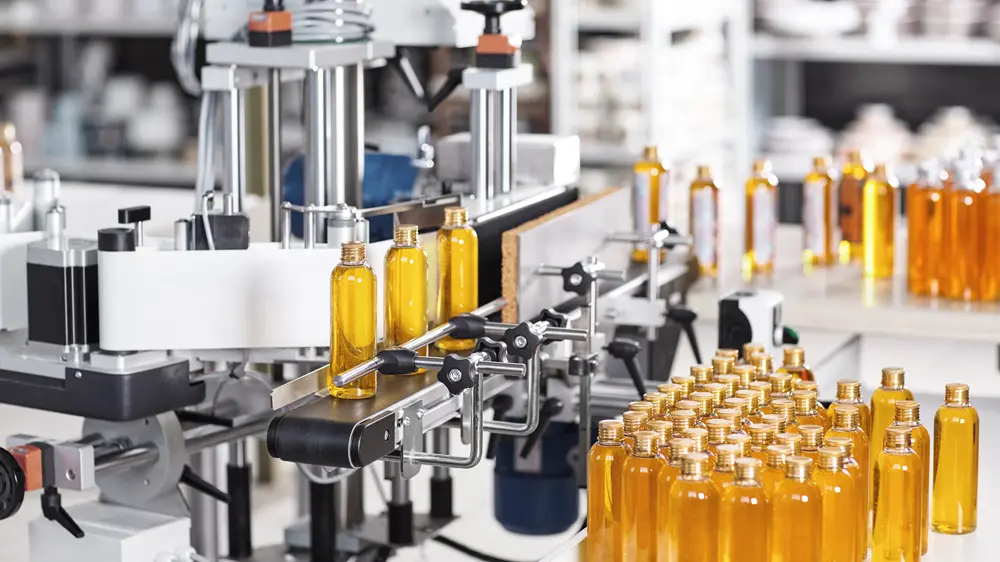
The beauty industry, a swirling, vibrant whirlpool of colors, scents, and styles, stands as one of the most exciting and cut-throat arenas around the globe. In 2020, this dynamo of a sector flaunted a jaw-dropping market value north of $500 billion. And the growth? It doesn’t show signs of stopping, with an expected compound annual expansion rate of 5.3% from 2021 through 2028. In essence, the beauty product market is not just flourishing; it’s being fuelled by a perfectly mixed cocktail of changing tastes, economic prosperity, personal care awakening, and of course, the irresistible lure of social media trends.
However, creating and launching a successful cosmetics brand is not an easy task. It takes meticulous research, thorough planning, a hefty investment, and above all, a clever marketing strategy to rise above the noise. But how do you find a reliable and reputable manufacturer? What criteria should you consider when choosing suppliers, and who are the top players in the OEM cosmetics industry?
In this article, we will answer these questions and more. We will explain what an OEM cosmetics manufacturer is, what role it plays in the cosmetics industry, and what factors you should look for when choosing one. We will also introduce you to the top 15 OEM cosmetics manufacturers in the world and tell you why they stand out among their competitors. So let’s get started!
Table of Contents
I. Criteria for Choosing an OEM Cosmetics Manufacturer
There are many factors that you should consider when choosing an OEM cosmetics manufacturer for your brand. Let’s hit the road with some of the vital points to keep in mind:
A. Product Quality
Think of it as the bedrock upon which your brand is built. The quality of your products isn’t just about performance; it’s the magic key to customer satisfaction and loyalty. Imagine a product that not only meets customer expectations but jumps clean over that bar, exceeding them. Wouldn’t that be something? That’s why it’s crucial to find a manufacturer who doesn’t just promise, but delivers top-notch quality. It’s about hitting the sweet spot between expectation and reality, creating products that leave a lasting, positive impression.
Some indicators of quality include:
● The source and purity of ingredients
● The stability and shelf life of formulations
● The functionality and appearance of packaging
● The consistency and accuracy of production
● The adherence to good manufacturing practices (GMP)
● The availability of certificates or accreditations from third-party organizations
You should also ask for samples or prototypes of products before placing a large order. This way, you can test them yourself and see if they match your specifications and standards.
B. Compliance with Regulations
The cosmetics industry is subject to various regulations and laws that vary by country or region. As a cosmetics brand owner, you are responsible for complying with these regulations when selling your products in different markets. You should also ensure that your manufacturer complies with them as well. Some examples of regulations that may apply to your products include the EU Cosmetics Regulation (EC) No 1223/2009, the US Food, Drug, and Cosmetic Act (FD&C Act) and ASEAN Cosmetic Directive (ACD).
You should look for a manufacturer that is familiar with and follows the relevant regulations for your target markets. You should also ask for proof of compliance, such as registration numbers, certificates, or reports.
C. Sustainability Practices
Sustainability is an important issue for the cosmetics industry. Consumers are increasingly aware of the environmental and social impacts of their beauty choices and are demanding more eco-friendly and ethical products. The cosmetics industry is increasingly focusing on sustainability.
As a cosmetics brand owner, you should also consider the sustainability practices of your manufacturer. You should look for a manufacturer that:
● Uses natural, organic, or renewable ingredients
● Avoids harmful or controversial ingredients, such as parabens, sulfates, phthalates, etc.
● Minimizes waste and emissions during production
● Uses recyclable or biodegradable packaging materials
● Supports fair trade and social responsibility initiatives
By choosing a sustainable manufacturer, you can not only reduce your environmental footprint but also enhance your brand image and reputation. You can also attract more customers who share your values and vision.
D. Innovation and Development Capabilities
The cosmetics industry is constantly evolving and changing. New trends, technologies, and consumer demands emerge every day. To stay ahead of the competition, you need to keep up with these changes and offer innovative and differentiated products.
Therefore, you should look for a manufacturer that has strong innovation and development capabilities. You should look for a manufacturer that:
● Has a dedicated research and development (R&D) team
● Invests in new equipment and technologies
● Collaborates with universities or research institutes
● Participates in industry events or exhibitions
● Launches new products or categories regularly
By choosing an innovative manufacturer, you can benefit from its expertise, creativity, and resources. You can also access new opportunities and markets that may otherwise be unavailable to you.
II. Top 15 OEM Cosmetics Manufacturers
Ready to meet the big guns, the movers and shakers of the cosmetics world? Here’s a roster of the top 15 OEM cosmetics manufacturers, each with a solid reputation for delivering top-tier products and services to their clientele:
1. Ausmetics
Country & City: China, Guangzhou
Established Date: 1998
Product Category: Cosmetics (skincare, hair & body, mom & baby, makeup)
Achievements: With more than 28 years of experience, Ausmetics is a global leader in cosmetics manufacturing, distinguished by their innovative and scientifically proven formulations. Ausmetics places a high emphasis on quality and safety, as evidenced by their numerous certifications. These include ISO22716, GMPC, Sedex, and certification from the International Federation of Cosmetic Chemists (IFSCC). In addition, they have passed factory audits by renowned entities such as ITS, B.V., SGS, IWAY of IKEA of Sweden, H&M of Sweden, Disney, and Tesco, among others.
When it comes to cooperative customers, Ausmetics boasts a wide-reaching impact, serving over 600 brands across more than 30 countries. In fact, more than 10 million people worldwide have used their products. Their partners range from e-commerce buyers like Amazon Top Sellers, to renowned international companies such as H&M and IKEA, to contract manufacturing clients including Kmart, Mannings, Disney, and S.C.Johnson. This broad customer base is a testament to Ausmetics’ ability to deliver high-quality, reliable, and competitive products, meeting diverse customer needs and rigorous factory audit requirements.
2. Cosmax
Country & City: South Korea, Seoul
Established Date: 1992
Product Category: Cosmetics, health functional foods
Achievements: Cosmax is known for its innovation and quality. It has over 1,000 patents and trademarks and over 10 R&D centers worldwide. It also has over 300 quality certifications from various organizations. Some of its clients include L’Oréal, Estée Lauder, Shiseido, Amorepacific, LG Household & Health Care, etc.
3. Intercos
Country & City: Italy, Agrate Brianza (headquarters)
Established Date: 1972
Product Category: Cosmetics (makeup, skincare, hair & body)
Achievements: Intercos is known for its creativity and technology. It has over 800 R&D staff and over 4,000 patents. It also has over 40 innovation labs and over 20 production sites worldwide. Some of its clients include Chanel, Dior, Lancôme, MAC, NARS, Revlon, etc.
4. Kolmar Korea
Country & City: South Korea, Seoul
Established Date: 1990
Product Category: Cosmetics, health functional foods, pharmaceuticals
Achievements: Kolmar is known for its quality and service. It has over 200 quality certifications from various organizations. It also has over 20 R&D centers and over 10 production sites worldwide. Some of its clients include Clinique, Bobbi Brown, Clarins, Kiehl’s, Laneige, Innisfree, etc.
5. Cosmecca Korea
Country & City: South Korea, Yongin-si (headquarters)
Established Date: 1999
Product Category: Cosmetics (makeup, skincare, hair & body)
Achievements: Cosmecca is known for its innovation and sustainability. It has over 500 patents and trademarks and over 10 R&D centers worldwide. It also has various eco-friendly initiatives, such as using renewable energy sources, reducing waste emissions, and supporting social responsibility programs. Some of its clients include Sephora, Urban Decay, Bare Minerals.
6. Schwan Cosmetics
Country & City: Germany, Heroldsberg (headquarters)
Established Date: 1927
Product Category: Cosmetics (pencils, sticks, liquids, powders)
Achievements: Schwan Cosmetics is known for its innovation and sustainability. It has over 500 patents and trademarks and over 10 R&D centers worldwide. It also has various eco-friendly initiatives, such as using natural or organic ingredients, avoiding animal testing, and using recyclable or biodegradable packaging materials. Some of its clients include L’Oréal, Maybelline, Covergirl, Rimmel, NYX, etc.
7. Maesa Group

Country & City: France, Paris (headquarters)
Established Date: 1997
Product Category: Cosmetics (haircare, color cosmetics, fragrance and skincare)
Achievements: Maesa is known for its creativity and flexibility. It has over 300 design staff and over 10 innovation labs worldwide. It also has various customization options, such as creating exclusive formulas, packaging designs, or brand identities. Some of its clients include Sephora, Ulta, Target, Walmart, CVS, etc.
8. HCT Group

Country & City: USA, Santa Monica, CA (headquarters)
Established Date: 1992
Product Category: Cosmetics (pencils, sticks, liquids, powders)
Achievements: HCT Group is known for its technology and design. It has over 500 patents and trademarks and over 10 R&D centers worldwide. It also has various award-winning packaging designs, such as magnetic closures, airless pumps, or dual chambers. Some of its clients include MAC, Tom Ford, NARS, Benefit, Tarte, etc.
9. Ancorotti Cosmetics

Country & City: Italy, Crema (headquarters)
Established Date: 2009
Product Category: Cosmetics (makeup and skincare products)
Achievements: Ancorotti Cosmetics is known for its quality and innovation. It has over 100 quality certifications from various organizations. It also has over 10 R&D centers and over 10 production sites worldwide. Some of its clients include Dior.
10. Cosnova
Country & City: Germany, Sulzbach (headquarters)
Established Date: 2001
Product Category: Cosmetics (makeup and skincare products)
Achievements: Cosnova is known for its affordability and trendiness. It has three popular brands: Essence, Catrice, and L.O.V. It also launches new products or collections every month. Some of its clients include DM, Rossmann, Douglas, Müller, etc.
11. Albea Group
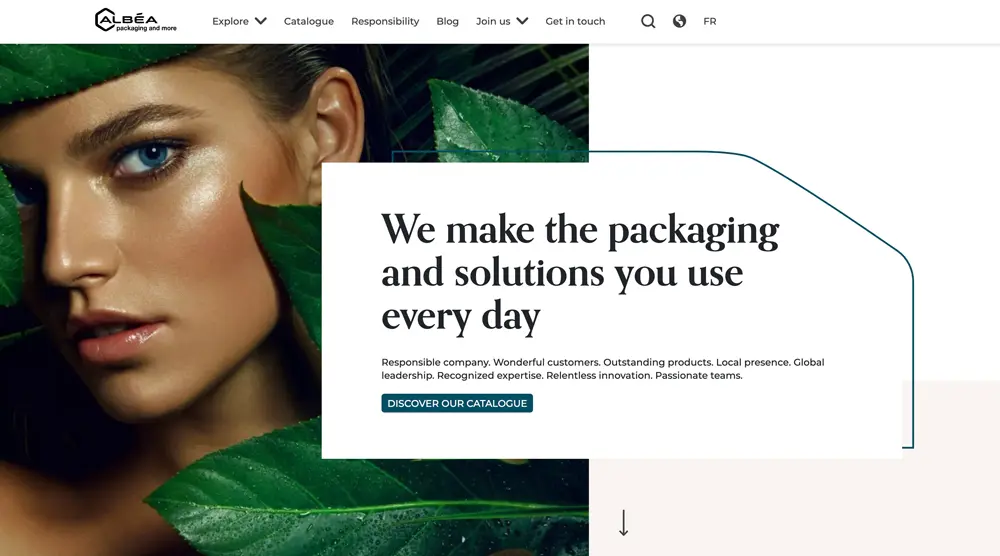
Country & City: France, Gennevilliers (headquarters)
Established Date: 2002
Product Category: Cosmetics packaging (tubes, caps, applicators, compacts, mascaras, jars etc.)
Achievements: Albea is known for its sustainability and diversity. It has various eco-friendly initiatives, such as using recycled or bio-based materials, reducing carbon emissions, and supporting social responsibility programs. It also has a wide range of products and categories, such as skincare, makeup, haircare, body care, fragrance, etc.
12. KMW Cosmetics
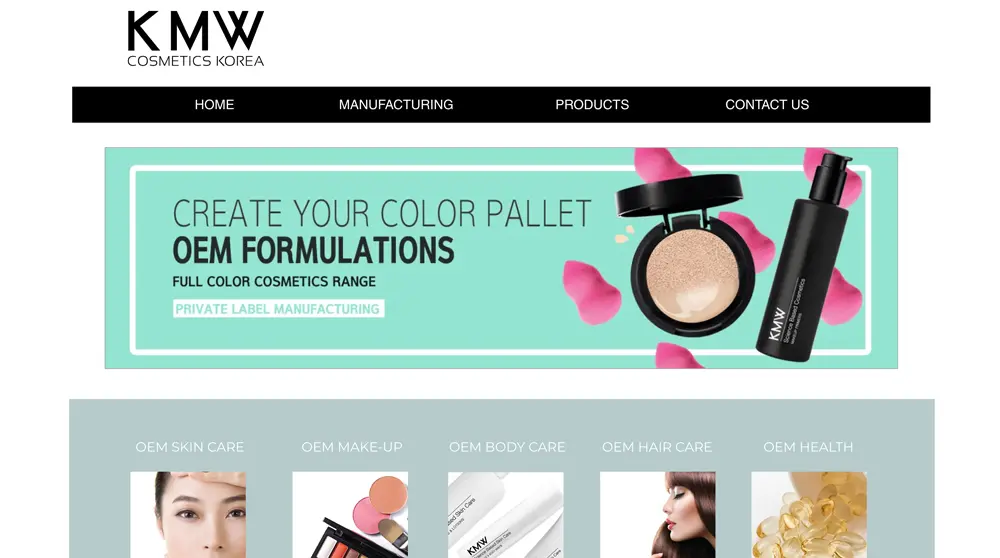
Country & City: South Korea, Seoul (headquarters)
Established Date: 2009
Product Category: Cosmetics, health functional foods, and personal care products (skincare, makeup, haircare, bodycare, etc.)
Achievements: KMW Cosmetics is a leader in the development and manufacturing of scientifically proven, innovative skin care, color cosmetics, and personal care products. The company, founded in 2009, is known for its focus on face, body, hair, and professional use formulations. KMW Cosmetics is based in the Asia-Pacific region and is currently active. As a for-profit company, they offer a comprehensive ONE STOP SERVICE from formulation to packaging, brand design, and delivery, making it a trusted Korean OEM Cosmetic Manufacturer. They provide world-class services to emerging businesses, large established brands, physicians, estheticians, and skin care professionals alike
13. Sky Resources
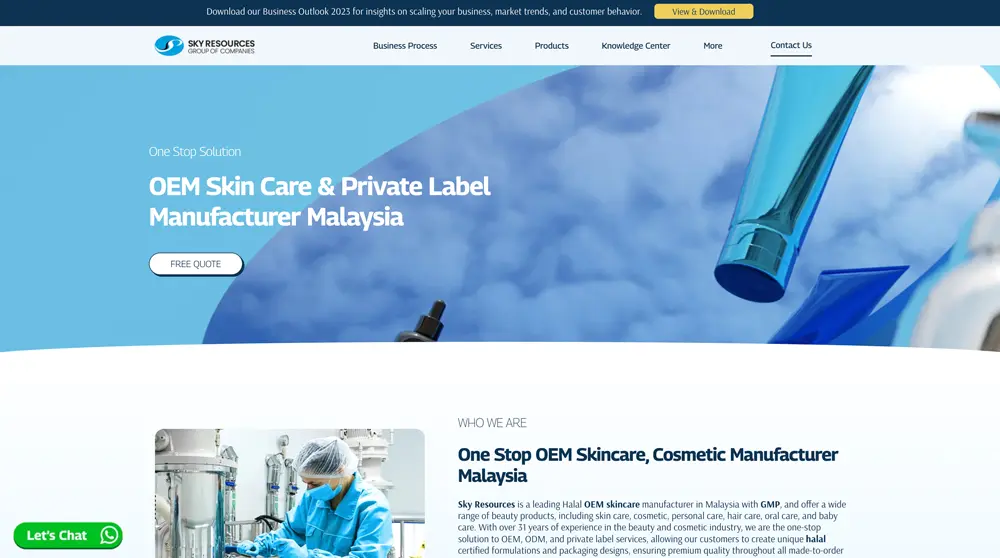
Country & City: Malaysia, Selangor (headquarters)
Established Date: 1996
Product Category: Skincare, personal care, hair care, and cosmetic products
Achievements: Sky Resources ensure all beauty products are manufactured in a controlled and compliant environment by adhering to the highest industry standards, including Good Manufacturing Practices (GMP) and ISO certifications. Their manufacturing facilities use cutting-edge technology and skilled professionals to maintain unwavering product consistency and integrity
14. Audrey Morris Cosmetics International
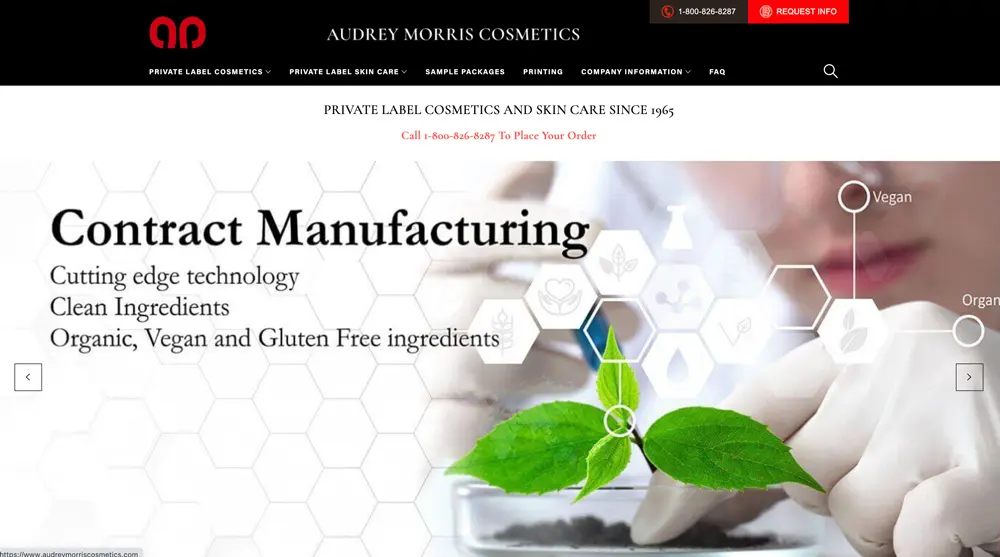
Country & City: USA, Fort Lauderdale, FL
Established Date: 1965
Product Category: Cosmetics (lipsticks, lip glosses, foundations, powders, eyeshadows, etc.)
Achievements: Audrey Morris Cosmetics offers a wide range of cosmetics and skin care products, including foundations, lip products, eye products, and skin care items like moisturizers, cleansers, and toners. Their services include product development, custom formulation, packaging and design, and order fulfillment.
15. Lady Burd
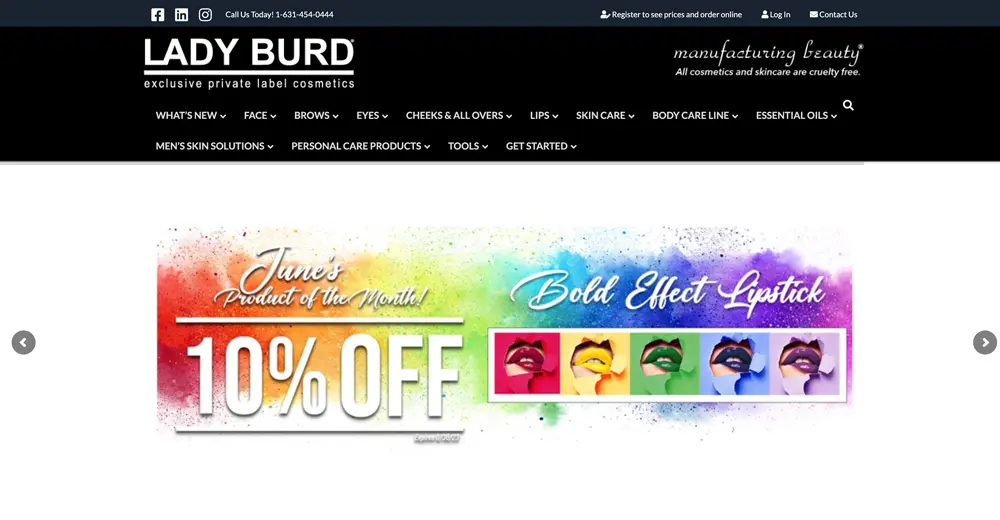
Country & City: USA, Farmingdale, NY
Established Date: 1962
Product Category: Cosmetics (lipsticks, lip glosses, foundations, powders, eyeshadows, etc.)
Achievements: Lady Burd is dedicated to maintaining a high standard of quality and innovation in their products. They offer services from the initial concept to finished product packaging. This includes the development of custom formulations with the help of a professional team of chemists and designers. Their dedicated team works to ensure the highest quality and to meet customer requirements.
III. Choosing the Right OEM Cosmetics Manufacturer for Your Needs
Looking at this sea of OEM cosmetics manufacturers, you may feel like you’re navigating a maze, with each one boasting its unique perks, quirks, and specialties. So, how do you fish out the one that’s the perfect fit for your brand?
The truth is, there’s no one-size-fits-all answer. It’s a bit like choosing the right shoes; it all boils down to your unique needs, ambitions, and tastes. But don’t fret, here are some compass points to guide your decision-making process:
● Your budget: How deep do your pockets run for product development and production? How does the manufacturer set its price tag for services? Do they dangle any carrots in the form of discounts or incentives?
● Your timeline: Got a launch date circled on your calendar? How long does the manufacturer typically take to deliver an order? Are there any minimum order requirements or lead times to consider?
● Your target audience: Who’s in your sights as potential customers? What are their desires, demands, and expectations? Does the manufacturer have the versatility to cater to various markets and segments?
● Your brand identity: What’s the vision that fuels your brand, the mission that guides it, and the values that anchor it? What about your brand’s personality, tone, and style? How does the manufacturer align with your brand’s identity and image?
● Your product specifics: What’s the nitty-gritty of your products, their features, benefits, and functions? What ingredients go into them, what formulations are used, and what about packaging materials and designs? How does the manufacturer meet your specific product standards?
Use these pointers as a compass to evaluate different manufacturers, weighing their pros and cons. Don’t shy away from frank and open communication about your expectations and prerequisites. Don’t forget to ask for references, testimonials, or case studies from their earlier or ongoing clients. And yes, always, always ask for product samples or prototypes before committing to a substantial order.
IV. Conclusion
In conclusion, navigating the vast sea of OEM cosmetics manufacturers can seem like an overwhelming task. However, it can be simplified when you clearly understand your brand’s unique needs, ambitions, and identity. By identifying key parameters such as budget, timeline, target audience, brand identity, and product specifics, you can successfully pinpoint a manufacturing partner that aligns with your vision.
Remember, choosing an OEM manufacturer is akin to selecting a business partner. As such, transparency, reliability, and open communication are crucial. Don’t hesitate to ask the tough questions, demand references, or request samples. Your manufacturers should not only be capable of delivering quality and innovative products, but they must also understand and resonate with your brand’s values and your audience’s needs.
So, take a step back, thoroughly assess your needs, then plunge into the task of choosing your manufacturing partner. This journey may be intricate and demanding, yet the reward of seeing your vision transformed into a tangible product that resonates with your target audience will undoubtedly be worth it.
Remember, this is not just about creating a product; it’s about crafting an experience, a lifestyle, a statement. Let’s move forward, together, to create beauty solutions that truly make a difference. Are you ready to embark on this journey? It’s time to bring your cosmetic vision to life. Let’s get started.
V. FAQs
Here are some frequently asked questions about OEM cosmetics manufacturers:
A: OEM stands for Original Equipment Manufacturer. It refers to a company that produces products or components that are then sold to another company that brands and markets them as its own.
ODM stands for Original Design Manufacturer. It refers to a company that designs and produces products that are then sold to another company that brands and markets them as its own.
The main difference between OEM and ODM is that OEMs follow the specifications and requirements of their clients while ODMs create their own designs and innovations.
Q2: What are the advantages of hiring an OEM cosmetics manufacturer?
A: Some of the advantages of hiring an OEM cosmetics manufacturer are:
● You can access high-quality ingredients, formulations, packaging materials, and equipment
● You can offer a wide range of products and categories
● You can customize your products according to your requirements
● You can ensure compliance with local and international regulations and standards
● You can reduce the cost and time of product development and production
● You can leverage the expertise, experience, and reputation of the manufacturer
Q3: What are the disadvantages of hiring an OEM cosmetics manufacturer?
A: Some of the disadvantages of hiring an OEM cosmetics manufacturer are:
● You may have less control over the quality, safety, performance, and profitability of your products
● You may have less differentiation and uniqueness from your competitors
● You may have to share your intellectual property rights or trade secrets with the manufacturer
● You may have to deal with communication or cultural barriers with the manufacturer
● You may have to face legal or ethical issues with the manufacturer
Q4: How much does it cost to hire an OEM cosmetics manufacturer?
A: The cost of hiring an OEM cosmetics manufacturer depends on various factors, such as:
● The type, quantity, and complexity of products
● The quality, source, and availability of ingredients
● The functionality and appearance of packaging
● The compliance with regulations and standards
● The location and capacity of the manufacturer
The cost can vary from a few cents to a few dollars per unit. You should contact different manufacturers and ask for quotes or estimates based on your needs and expectations.
Q5: How do I find an OEM cosmetics manufacturer?
A: There are many ways to find an OEM cosmetics manufacturer, such as:
● Searching online directories or databases
● Browsing online platforms or marketplaces
● Attending industry events or exhibitions
● Asking for referrals or recommendations from your network
● Reading reviews or testimonials from other clients
You should also do your research and due diligence before choosing a manufacturer. You should evaluate different options based on various criteria, such as quality, compliance, sustainability, innovation, etc. You should also communicate with them clearly and openly about your expectations and requirements. You should ask for references, testimonials, or case studies from their previous or current clients. You should also request for samples or prototypes of their products before placing a large order.