
Table of Contents
I. Introduction
The beauty industry in 2025 is a dynamic intersection of cutting-edge science and evolving consumer values. Ingredient innovation is accelerating, driven by advances in biotechnology and a quest for more effective, sustainable products. At the same time, consumers are more informed and discerning than ever – demanding transparency, natural formulations, and evidence-backed benefits. Beauty brands must navigate this landscape by marrying scientific breakthroughs with market insights. In this comprehensive guide, we explore key trends shaping beauty ingredients trends in 2025, from novel actives and formulation technologies to regional regulatory shifts and strategic brand responses. Each section provides clear insights and practical context for industry professionals looking to stay ahead of the curve.
II. Science-Driven Beauty Ingredients Trends Innovation in 2025
Beauty product development has become more science-driven than ever. Leading cosmetic manufacturers aren’t just following trends – they are setting them by harnessing the latest in cosmetic science. Breakthroughs in biochemistry and dermatological research are yielding new active ingredients that promise targeted efficacy (like next-generation peptides or stem-cell extracts) and novel product forms. The focus is on evidence-based innovation: ingredients with clinically proven benefits (from wrinkle reduction to microbiome balance) are in high demand. Brands with R&D muscle or strong OEM partnerships are rapidly prototyping advanced formulas. As Ausmetics emphasizes, true innovation means using technology to create pioneering products that can become market leaders. In essence, science is the driving force behind many of 2025’s beauty trends – enabling cleaner, smarter, and more potent formulations than previously possible.
A. Clean Beauty and Natural Ingredients Take Center Stage

Consumer demand for “clean” and natural beauty products has surged, influencing ingredient choices across the industry. Shoppers are scrutinizing labels, seeking plant-based extracts, minerals, and safe synthetics over controversial chemicals. In fact, the data shows that more than 65% of consumers look for environmentally friendly brands, and 68% are influenced by products described as “natural and organic”. This has led many brands to eliminate parabens, phthalates, sulfates, and other suspected toxins from formulations. Instead, formulas highlight botanical extracts (like aloe vera, green tea, turmeric), gentle preservatives, and naturally derived actives. Clean beauty is no longer a niche – nearly one-third of beauty products are now labeled “clean,” a number expected to keep rising. Retailers have also jumped in; for example, Walmart’s dedicated clean beauty shop showcases products free from ingredients on its “Made Without” list (such as formaldehyde and PFAS). For brands, aligning with the clean beauty movement means working closely with manufacturers to ensure ingredient transparency, safety, and compliance with clean standards (like EWG-verified or COSMOS natural certifications). The emphasis on natural ingredients is as much about what’s excluded as what’s included – and it’s reshaping product development priorities industry-wide.
B. Sustainable and Green Chemistry Solutions

Beyond being natural, consumers want products that are environmentally sustainable. Green chemistry principles are guiding formulation innovation, favoring ingredients that are renewable, biodegradable, and responsibly sourced. A clear example is the push to upcycled ingredients – repurposing by-products of agriculture or food processing (like fruit peels or coffee grounds) into cosmetic actives, thereby reducing waste. Brands are also opting for plant-derived alternatives to petrochemicals and minimizing water usage by creating waterless or concentrated formulations. Surveys show that 55% of consumers are willing to pay more for sustainable products, so these efforts carry market value. Regulatory pressure is adding momentum: the European Union’s environmental regulations (such as the microplastics ban) are forcing companies to reformulate for eco-friendliness. Companies are replacing plastic microbeads with natural exfoliants (e.g. salt, jojoba beads) and seeking biodegradable polymers for textures. Moreover, many manufacturers (including Ausmetics) now offer recyclable or refillable packaging solutions as part of their service, ensuring that the sustainability ethos covers the entire product lifecycle. In sum, 2025’s ingredient trends aren’t just about performance – they’re equally about reducing environmental impact and meeting the rising bar for corporate responsibility.
C. Biotechnology and Lab-Grown Ingredients
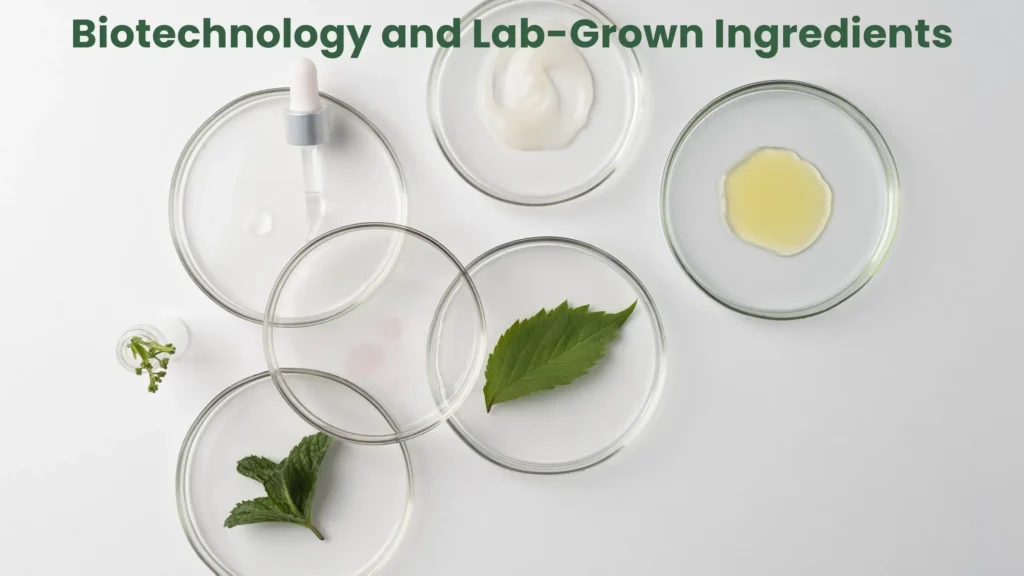
Advances in biotechnology are unlocking a new wave of high-performance cosmetic ingredients. Lab-grown ingredients– actives produced via fermentation, cell culture, or bio-engineering – are becoming mainstream. These range from lab-cultured collagen and elastin (offering animal-free alternatives for anti-aging) to fermented botanicals that yield potent antioxidants. Biotech firms are also using microbial fermentation to produce ingredients like hyaluronic acid, vitamins, and amino acids more sustainably at scale. The appeal is twofold: biotechnological processes can create ultra-pure, consistent ingredients and often with a greener footprint than traditional extraction. In 2025, we see biotech intersecting with naturals, giving rise to terms like “nature identical” ingredients (biosynthesized equivalents of rare plant extracts) and “bioferments” in skincare. This trend was evident at in-cosmetics Global 2025, where many Innovation Zone submissions featured biotech-derived actives. From algae-based bioactives to lab-grown epidermal growth factors, the emphasis is on scientifically advanced ingredients that can claim both efficacy and sustainability. Ausmetics and other forward-thinking manufacturers invest in R&D to incorporate these cutting-edge biotech ingredients into private label formulations, ensuring beauty brands have access to the latest science. The result is products that deliver novel benefits – such as improved skin regeneration – backed by the precision of biotech production.
D. Microbiome-Friendly Formulations

An important science-led trend is the focus on the skin’s microbiome. Microbiome-friendly or probiotic skincareacknowledges that preserving a healthy balance of skin flora is key to skin health. In practice, this trend involves using ingredients that support beneficial microbes (like prebiotics and postbiotic ferments) and avoiding harsh antimicrobials that disrupt the skin’s ecosystem. Major market analyses identify microbiome-friendly products as a significant growth area. Ingredients such as lactobacillus ferment, bifida ferment lysate, and various yeast extracts are being incorporated to soothe, strengthen, and “educate” the skin’s microbiome. Brands are formulating gentle cleansers with skin-neutral pH and moisturizers spiked with prebiotic fibers (e.g. inulin) to feed good bacteria. Notably, even traditionally anti-acne products are pivoting to microbiome-aware formulas that reduce C. acnes bacteria without sterilizing the skin completely. Consumers, increasingly aware of terms like “microbiome” and “skin barrier,” are seeking out these products for issues ranging from sensitivity to eczema and acne. For beauty brands, partnering with a manufacturer knowledgeable in microbiome science is valuable – it ensures access to the latest symbiotic complexes and verification methods (like testing that a formula doesn’t destabilize skin microflora). This trend reflects a broader shift in beauty: treating skin as a living ecosystem and crafting products that work with the body’s natural biology rather than against it.
E. Hybrid Beauty Products (Makeup + Skincare)

The line between cosmetics and skincare continues to blur in 2025. Hybrid beauty products – such as moisturizers with tint, foundations with anti-aging serums, or lipsticks with balm-like nourishment – are extremely popular. Consumers love multi-taskers that simplify routines without sacrificing results. The data analysis notes the emergence of hybrid skincare-beauty products as a notable trend. Examples abound: tinted moisturizers with SPF and antioxidants offer coverage, sun protection, and skincare in one. Primers and setting sprays are infused with peptides or vitamins to improve skin while extending makeup wear. Even nail polishes now sometimes include strengthening treatments, and hair styling products incorporate scalp-care ingredients. This trend is fueled partly by the pandemic-era “skinimalism” movement – consumers using fewer products, so each item needs to do more. It’s also driven by time-saving convenience and value: a product that serves two or three functions can command a premium yet still feel like a deal to consumers. For brands, developing successful hybrids requires careful formulation balance (ensuring, for example, that pigments don’t destabilize skincare actives, or that UV filters in makeup remain efficacious). Manufacturers with expansive formulation libraries are at an advantage here. In short, expect more “skincare-makeup fusion” products in every category – a trend that challenges product developers to merge beauty and science in innovative ways.
F. Transparency, Traceability and Ethical Sourcing

Modern consumers are not just concerned with what ingredients are in their products, but also where those ingredients come from and how they are made. Transparency and traceability have become key drivers of trust. Shoppers (especially Gen-Z and Millennials) want to know if an ingredient is sustainably harvested, if a formula is cruelty-free, and whether fair trade practices were observed. According to industry research, transparency in sourcing is one of the major trends shaping the beauty market’s evolution. In practice, brands are responding by sharing detailed ingredient origin stories – for instance, highlighting that their shea butter is community-sourced from Ghana under fair trade, or that their mica comes from a mine with ethical labor practices. Some companies print QR codes on packaging to let consumers trace ingredients back to producers. Ingredient disclosure is also more comprehensive: brands are moving beyond regulatory minimums to explain the role and safety of each component (e.g., “naturally derived emulsifier from coconut” instead of just listing a chemical name). Certifications like Cruelty-Free (Leaping Bunny), Vegan, RSPO (sustainable palm oil), and various organic labels have gained prominence as visible markers of ethical formulation. Ausmetics, for example, notes the importance of considering consumer trends and formulation concepts from the start, and provides latest insights into ingredients for clients – effectively helping brands build transparency and consumer-friendly narratives into product development. In 2025, brands that openly share their ingredient journey and stand by their sourcing ethics are being rewarded with stronger customer loyalty and market differentiation.
G. Men’s Grooming and Gender-Inclusive Beauty

The men’s grooming sector is experiencing unprecedented growth, reflecting a broader shift toward gender-inclusive beauty consumption. No longer a taboo or strictly niche market, men’s skincare and cosmetic products are becoming mainstream. Key ingredient trends in men’s products often mirror those in unisex skincare – such as hyaluronic acid for hydration or vitamin C for brightening – but are packaged and marketed for male routines. Additionally, formulations may be tailored to common men’s concerns (e.g. stronger actives for oil control, soothing ingredients for post-shave irritation like aloe and allantoin, etc.). We also see beard care oils with botanical blends, shower products with “energizing” essential oils, and even makeup products (like concealers or brow gels) positioned for men. The rise of gender-neutral or universal products is part of this inclusivity trend too – brands launching lines that are marketed by skin/hair need rather than by gender. Social media (especially TikTok) has been a catalyst: male grooming tips and product demos garner millions of views, normalizing cosmetics use among men. As the data shown, by 2030 the men’s personal care market is expected to exceed $67.2 billion, so brands are investing accordingly. For beauty brands, catering to this segment might involve adjusting fragrance profiles (many men prefer woodsy or fresh scents), offering more matte or lightweight textures, and ensuring packaging is approachable to a male aesthetic. The key is recognizing that effectiveness and simplicity often drive male purchasing – hence beauty ingredients that deliver visible results (like glycolic acid for smoother skin or caffeine for de-puffing) are in high demand in men’s formulations.
III. Key Regulations in U.S., EU, and Southeast Asia
A. United States Regulations: Transparency, Safety, and Modernization
In 2025, the United States is undergoing a major transformation in cosmetic regulation—driven by the Modernization of Cosmetics Regulation Act (MoCRA), which officially came into effect in late 2023. This marks the most significant overhaul of the Federal Food, Drug, and Cosmetic Act since 1938. MoCRA brings U.S. cosmetic oversight closer to global standards, with a strong focus on safety, ingredient transparency, and responsible manufacturing. One of the cornerstone changes under MoCRA is mandatory facility registration and product listing. By July 1, 2024, all cosmetic manufacturers and processors selling in the U.S. must register their facilities with the FDA and list each marketed cosmetic product (along with ingredients and responsible party contact information). This allows the FDA to better monitor market activity and respond swiftly to safety concerns. Another major update is the requirement for adverse event reporting and safety substantiation. Brands are now legally obligated to maintain records of serious adverse events and report them to the FDA within 15 business days. Every cosmetic must also be supported by “adequate substantiation” of safety. This means companies must have reliable toxicological or clinical data available—no longer is vague marketing language or anecdotal evidence sufficient.
MoCRA also introduces new labeling requirements, including the disclosure of fragrance allergens (to be detailed in forthcoming FDA guidance), responsible party information, and directions for use. Furthermore, the regulation prohibits the use of certain toxic substances, such as mercury in skin-lightening products, and grants the FDA expanded authority to recall cosmetics deemed unsafe.
B. European Union Regulations: Safety and Sustainability
In 2025, the European Union continues to set the global pace for stringent cosmetic regulations – with a strong emphasis on consumer safety and environmental sustainability. One major development is the EU’s new rules on microplastics. The EU has announced a sweeping ban on intentionally added microplastic particles in cosmetics, with a phased implementation over the coming years. For instance, rinse-off cosmetic products can no longer include microplastic beads by 2027, and leave-on products (like leave-on skincare and makeup) must eliminate microplastics by 2029. By 2035 even products like lip and nail cosmetics will fall under this ban. This regulation is pushing brands to reformulate exfoliators, glitters, and other formulas that traditionally relied on plastic particles, and to clearly label any remaining microplastic content during the transition. In addition to microplastics, the EU has been regularly updating its list of banned and restricted substances. The recent Omnibus VII (Regulation (EU) 2025/877) added 21 more chemicals to the prohibited list – including certain preservatives, UV filters, and other compounds reclassified as CMR (carcinogenic, mutagenic, or reprotoxic). This reflects a “zero tolerance” stance toward harmful ingredients; by September 1, 2025, any cosmetic containing those newly banned substances cannot be sold in the EU. For brands, compliance means reformulating products to remove those ingredients, updating safety assessments in the Product Information File, and ensuring new alternatives meet EU standards. The EU is also moving toward greater sustainability and animal welfare. Animal testing for cosmetics is fully banned in the EU, and there’s a continued push for alternative safety assessment methods (like in-vitro tests or computational toxicology). Additionally, under the European Green Deal, packaging and waste reduction initiatives may soon affect cosmetics (e.g., potential requirements for recyclability). Navigating EU regulations requires meticulous attention and up-to-date expertise. Many beauty brands rely on partners with strong regulatory knowledge – Ausmetics, for instance, holds ISO 22716 (GMP) certification and works with third-party labs to ensure products meet EU compliance and can pass required safety tests. Overall, the EU market’s high bar on safety and environmental impact is reshaping product formulas and packaging, effectively raising global standards as many companies choose to “design to EU specs” for all markets.
C. Southeast Asia Regulations: Halal and Market Localization
Southeast Asia is a region of immense growth for beauty, but it comes with its own regulatory considerations. Many nations in this region follow the harmonized ASEAN Cosmetic Directive, which streamlines requirements across ten countries (from Indonesia and Malaysia to Singapore and Thailand). The ASEAN standards have lists of prohibited and restricted ingredients similar to the EU’s, and require safety assessments and product notifications in each country. However, a defining regulatory trend in Southeast Asia is the increasing importance of Halal certification. In predominantly Muslim countries like Indonesia and Malaysia, Halal beauty products are highly sought after – and in Indonesia, they will soon be mandatory. Indonesia’s Halal Product Assurance Law mandates that all cosmetics sold in the country must obtain Halal certification by October 17, 2026. This means ingredients must be free from any haram (forbidden) substances (such as pig-derived ingredients, alcohol in certain contexts, or carnivorous animal extracts), and manufacturing processes must prevent cross-contamination. For brands aiming to sell in Indonesia, working with a Halal-certified manufacturer or obtaining Halal certification for their production line is essential. BPOM (Indonesia’s FDA) in 2025 also issued new regulations tightening product notification processes, contaminant limits, and labeling rules, reflecting a more rigorous oversight as the market matures. Malaysia similarly encourages Halal compliance, and while not yet legally mandatory for all cosmetics, having the Halal logo can greatly boost consumer trust there. Other Southeast Asian markets have unique nuances: Thailand, for example, might scrutinize herbal traditional claims; Vietnam and the Philippines each have their registration protocols and language requirements for labels. For beauty brands, navigating Southeast Asian regulations often means partnering with manufacturers experienced in these markets. This includes understanding import documentation, local testing needs, and cultural preferences (for instance, skin lightening products are in demand in some countries but regulated for safety). Ausmetics and similar OEMs often assist clients with these regional compliance challenges – from modifying formulas to meet Halal requirements to handling product registration with local authorities.
IV. How Ausmetics Supports Beauty Brands in 2025
Ausmetics serves as a case study in how a manufacturing partner can empower beauty brands in this fast-evolving landscape. With over 27 years of experience, Ausmetics has positioned itself as more than just a cosmetics manufacturer – it’s a full-spectrum innovation and compliance partner. Here’s how Ausmetics specifically supports beauty brands in 2025:
- Private Label & OEM ODM Services: Ausmetics offers a one-stop solution for brands to quickly launch products. Their catalog spans face, body, hair, men’s, baby care and more, all developed with modern consumer needs in mind. Brands can choose ready formulas (e.g., a vitamin C serum or a sulfate-free shampoo) and customize aspects like fragrance, color, or packaging. With low MOQs (5,000 units) and even split-batch flexibility, Ausmetics helps indie brands and large retailers alike expand product lines swiftly without massive upfront investment.
- Formulation Innovation & Custom R&D: For brands seeking unique formulas, Ausmetics’ R&D team steps in to create or tailor formulations. They specialize in scientifically proven actives and have expertise in organic, natural, vegan-friendly and sensitive-skin formulas. Whether it’s formulating a cream with an on-trend ingredient or matching a benchmark product a client provides, the team leverages a library of thousands of ingredients and 20+ years of know-how. Being a member of IFSCC and employing veteran cosmetic chemists, Ausmetics stays ahead on ingredient research, which directly benefits their clients’ product quality and innovation.
- Regulatory Expertise & Quality Assurance: Operating globally, Ausmetics is intimately familiar with international regulations. They hold ISO 22716 and GMP certifications, and their facilities have been audited by third parties like SGS, BV, and even by corporate clients (IKEA, H&M audits). Every product goes through rigorous safety and quality checks – from DERMA test results for skin tolerance to stability and microbiological testing. They prepare all necessary documentation (CPSR reports, COA, MSDS) to ensure products can enter Europe, the US, or wherever the brand’s market is. In markets like Indonesia, Ausmetics even has Halal certification capabilities (as indicated by Halal and BPOM listed among key certifications), smoothing the path for clients targeting Muslim consumers. This end-to-end regulatory support means brands avoid legal pitfalls and build consumer trust through compliant, high-quality products.
- Speed and End-to-End Support: In the rapidly changing beauty trend cycle, time-to-market is crucial. Ausmetics prides itself on efficient project management – sample turnaround in a few weeks, production lead times around 45 days once everything is approved. Plus, they assist with packaging sourcing and design through to shipping logistics. As a result, a client can go from concept to finished product on shelves in a matter of months, not years. Importantly, Ausmetics emphasizes partnership: they consider themselves invested in their clients’ success, often providing market insights and timing recommendations (when to launch, how to position) gleaned from their broad industry perspective.
In summary, Ausmetics exemplifies the modern contract cosmetics manufacturer that offers private label speed, custom innovation, and regulatory peace of mind. For beauty brands facing the challenges and opportunities we’ve discussed – be it incorporating the latest trendy ingredient, ensuring a product meets EU standards, or launching a full line rapidly – such a partner is invaluable. It’s like having an R&D lab, a factory, and a regulatory consultant all under one roof, aligned with your brand’s vision. This integrated support is often the secret sauce behind beauty brands that manage to stay both innovative and reliable in the eyes of consumers.
V. FAQs
Q1: What are the top beauty ingredients trends we should focus on in 2025?
Key beauty ingredients trends include natural botanicals and clean formulas, biotech-derived actives (like lab-grown collagen or fermented extracts), microbiome-friendly ingredients, and multi-functional compounds. Sustainable plant-based ingredients (such as upcycled fruit extracts or algae-based antioxidants) are very popular. Also, expect to see more neurocosmetic ingredients (for mood-enhancing skincare) and longevity actives targeting cellular aging.
Q2: How are consumer preferences influencing ingredient choices?
Consumers are driving demand for safe, transparent, and values-driven products. They prefer ingredients that are naturally derived, sustainably sourced, and free from “nasties” like parabens or microplastics. There’s also a preference for ingredients tied to wellness benefits – for instance, calming botanical oils for stress relief or probiotics for holistic skincare. Importantly, consumers now research ingredients; they recognize terms like hyaluronic acid, niacinamide, vitamin C, etc., and look for those actives in products. Brands are responding by formulating with potent concentrations of such familiar actives and clearly communicating their benefits. Additionally, trends like personalization mean consumers expect products targeted to their unique needs (e.g., fragrance-free for sensitive skin, or specific oils for textured hair), prompting a wider variety of specialized ingredients in the market.
Q3: What new regulations in 2025 should beauty brands be aware of?
In the EU, be aware of the microplastics ban which is phasing out microplastic ingredients in cosmetics (starting with certain products by 2027). The EU also updated its prohibited substances list (Omnibus VII in 2025), banning several newly classified unsafe chemicals – any formulas for the EU market need to remove those by September 2025. In the US, the Modernization of Cosmetics Regulation Act (MoCRA) passed recently, which for the first time mandates FDA registration of cosmetic manufacturers and has new safety and reporting requirements (brands should ensure their manufacturers comply with FDA GMP and can assist with adverse event record-keeping). Southeast Asia’s biggest change is Indonesia’s mandatory Halal certification by 2026 for all cosmetics, so brands selling there must plan for Halal-compliant ingredients and production. Overall, the trend is toward stricter safety standards globally – engaging a regulatory expert or compliant manufacturer is the best way to stay ahead of these changes.

Lucy Chen
Product Marketing Consultant
As an expert in beauty brand development, Lucy Chen combines her analytical skills with creative flair to unlock new opportunities for her clients. Her deep understanding of market dynamics allows her to offer innovative insights and strategic guidance that drive engagement and boost profitability. Whether working with startups or established brands, Lucy’s unwavering focus on differentiation helps companies build compelling narratives and stand out in the crowded beauty marketplace.