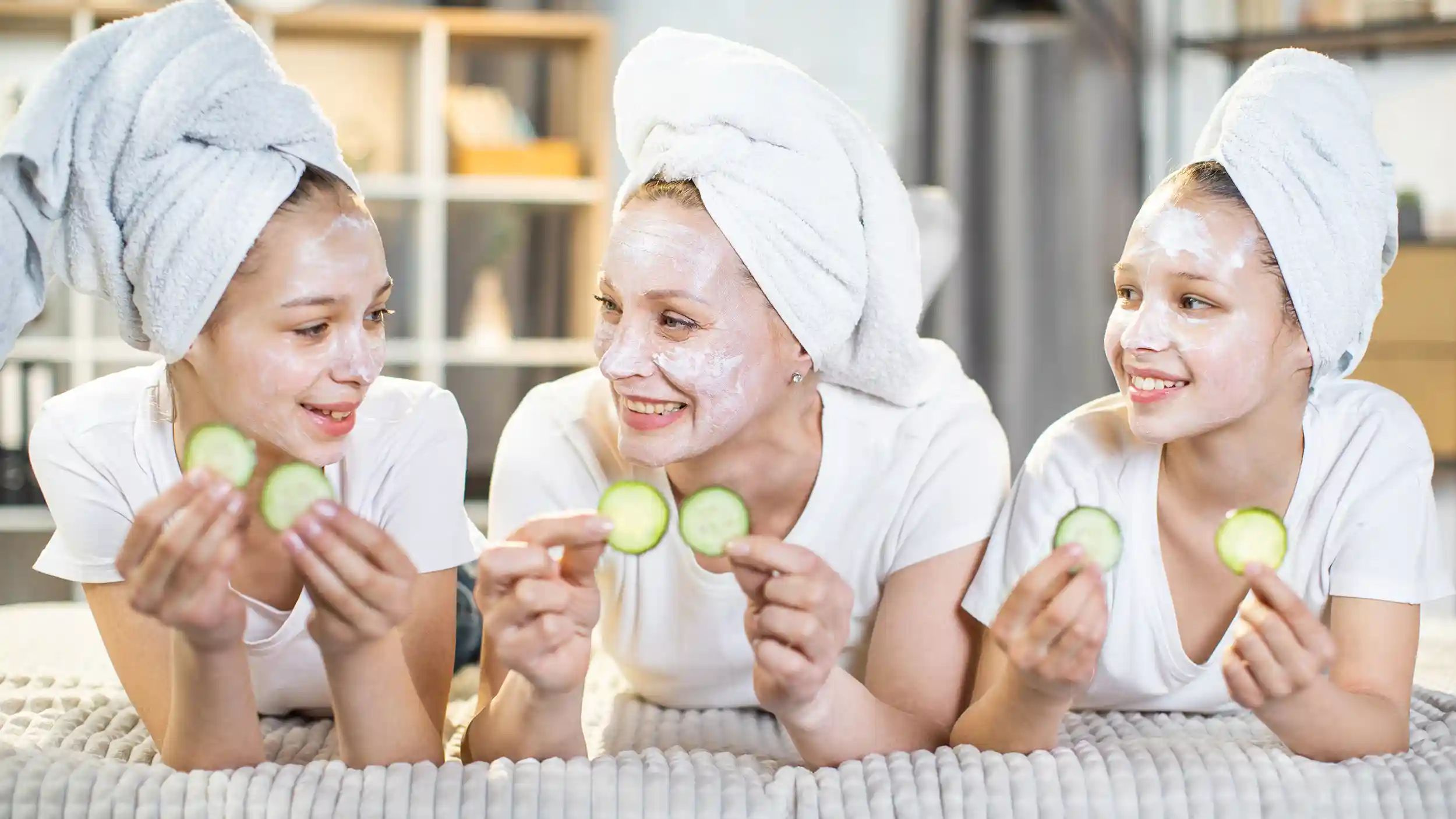
It is widely recognized that the children’s skincare market is experiencing rapid growth, driven by a surge in product launches and a shift toward premiumization. While current trends and achievements are impressive, focusing solely on the present could mean missing out on emerging growth opportunities in the future.
As the current generation of children enters adolescence, the demand for teenage skincare will “take over,” shaping a vibrant and expansive market. Adolescence is one of the most significant phases of skin changes, indicating immense potential for growth in this category.
By analyzing demographic shifts, a burgeoning market that is still emerging but increasingly spotlighted has been quickly identified.
Table of Contents
I. The Broad Market for Teenage Skincare
According to United Nations data, the global population of teenages aged 10-19 reached approximately 1.2 billion in 2023, accounting for nearly 16% of the world’s population. This critical demographic signifies a booming market for skincare products tailored to their needs, as hormonal changes during adolescence often lead to issues like acne, oily skin, and sensitivity. With young consumers and their parents increasingly seeking effective yet gentle solutions, the demand for specialized products is surging.
Teenages, especially those aged 13-18, represent a crucial audience for beauty and skincare brands. They are proficient in technology, actively involved in social media, and influenced by current trends and recommendations from peers. Their increased awareness of self-care and skin health, driven by accessible information and beauty influencers, creates a unique opportunity for brands to capture this segment early and build long-term loyalty.
For example, Clean & Clear has long been a popular choice for teen acne care, while Neutrogena offers product lines addressing teenage skincare needs. In Asia, brands like Mentholatum have developed specialized products, such as their Acnes series, targeting young users.
As the current generation of children transitions into adolescence, the market’s scale advantage persists, and the teenage skincare sector is expected to experience sustained growth. Notable trends include:
A. Enhanced Family Awareness of Skincare Needs
Teenages’ skincare choices are often influenced by family attitudes. With most teens lacking stable incomes, they rely on family financial support, which ties spending habits to household income and educational levels.
Families that prioritize their children’s health and appearance are more likely to invest in teenage skincare products, significantly impacting market demand. Economically developed regions with higher educational standards tend to allocate more to teenage skincare.
B. Increasing Teenage Demand for Skincare Products
As teenages become more conscious of their appearance, their focus on skin management grows, leading to a rising demand for skincare solutions.
During adolescence, hormonal fluctuations frequently lead to heightened sebum production, blocked pores, and inflamed skin, causing acne, sensitivity, and an uneven complexion. Modern teens, equipped with purchasing power and awareness, are particularly drawn to high-quality, personalized products.
C. Social Media’s Role in Accelerating Conversions
Teenages are primary users of social media, seeking individuality and self-expression. Platforms like TikTok and influencer-driven marketing provide them with firsthand exposure to brands and products, bridging discovery and purchase decisions effectively.
Innovative marketing strategies on these platforms can help brands establish strong connections with young audiences, fostering loyalty through engaging content.
II. The Analysis of Teenage Skincare Consumer Needs
From infancy to adolescence and beyond, skin structure remains consistent, but sebaceous glands grow significantly during puberty due to hormonal changes. Elevated levels of sebum production can result in typical problems like oily skin, larger pores, and acne.
Teenage skincare products aim to help teens navigate this transitional phase smoothly, maintaining healthy skin post-adolescence while preventing severe conditions like acne scars or hormonal dermatitis. Their specific needs focus on five key areas:
A. Prevention and Skin Stabilization
The skin of teenagers is in a state of vigorous oil secretion for a long time. Excess oil will stimulate the hair follicles to become thicker, and it is easy to absorb air dust particles, block pores, and be oxidized into blackheads by air, causing the skin to become dull and yellow.
Therefore, developing stabilizing and conditioning products is more in line with their skin needs at this stage. The focus should be on reducing the oil secretion of the sebaceous glands, or increasing the patency of oil outflow, so that the oil will not be blocked at the hair follicles and cannot come out, and at the same time maintaining the Propionibacterium flora on the skin surface in a relatively stable state.
We need to design product ideas from the perspective of maintaining the water and oil balance of the skin. Combining some antioxidant ingredients to inhibit the sebum production of the sebaceous glands can also effectively improve the problem of excessive Propionibacterium, and achieve the purpose of stabilizing and conditioning the skin condition.
Example: Japan’s Calamee launched a toner in July targeting excess sebum and rough skin. It contains calamine powder for oil control and a blend of six botanical extracts to refine pores, moisturize, and maintain smooth skin.
B. Scientific Acne Management
Excessive oil secretion is the basis for the growth of acne. Therefore, teenager acne skin management is not something that can be done once and for all, because excessive oil secretion during adolescence is a normal state, and it needs to be managed in a refined manner according to the development of acne.
Teenager acne often appears in the T-zone such as the forehead, nose and chin, and can be divided into non-inflammatory acne and inflammatory acne. Non-inflammatory acne includes blackheads and closed comedones; inflammatory acne includes papules, pustules, nodules, and cysts; teenager facial acne can have multiple types of acne at the same time.
We need to make a refined treatment plan for the “chain reaction” of acne, pigmentation, enlarged pores, blackheads, etc. caused by oil secretion in adolescents to reduce inflammation, control the occurrence of acne and reduce the pigmentation left by acne marks.
It can also help reduce the blockage of pores and the formation of blackheads by gentle cleansing and regular removal of the stratum corneum.
Example: La Roche-Posay Effaclar Duo (+) is a dermatologist-recommended solution for teenage acne management. It targets excess oil, reduces blackheads, and soothes inflammation with active ingredients like salicylic acid and niacinamide. Designed for daily use, it minimizes acne scars and refines pores, making it an ideal choice for addressing the common “chain reaction” of teenager oily skin. This product is a prime example of scientific acne care, combining effectiveness with gentleness to suit young, sensitive skin.
C. Sun Protection Awareness
Teenagers usually have a higher demand for sunscreen products because their skin is more delicate and vulnerable to UV damage. Sunscreen products with a high sun protection factor (SPF) and broad-spectrum protection (capable of blocking UVA and UVB) can effectively prevent adolescent skin from sunburn and skin problems caused by sun exposure.
Considering factors such as teenagers’ frequent activities and prone to sweating, they may prefer sunscreen products that are easy to wash off, non-irritating and residue-free, so as not to affect the comfort of daily activities.
Example: Neutrogena Ultra Sheer Dry-Touch Sunscreen is a popular choice for teenagers, offering SPF 50+ and broad-spectrum protection against UVA and UVB rays. Its lightweight, non-greasy formula is sweat-resistant and easy to wash off, making it ideal for active teenagers. The product prioritizes comfort and skin safety, ensuring no irritation or residue, while providing effective sun protection to prevent long-term skin damage and sensitivity.
D. Gender-Specific Preferences
The ratio of males and females in the adolescent population is balanced, but there may be some differences in the preferences of specific products or brands among consumers.
First, the skin care demands of teenager women are more extensive than those of men. They tend to spend more time and energy on skin care steps, and may be more interested in various products such as facial masks, skin care essences and moisturizing sprays, and are willing to try emerging categories.
For the care of specific problems, women in adolescence may pay more attention to the fineness and whiteness of the skin. They may choose to use products with whitening and spot-lightening effects. In addition, because the stimulation of the sun to the skin may aggravate facial spots and other skin problems, teenager women have a stronger awareness of sun protection than men.
Due to the problem of vigorous oil secretion in adolescence, men may pay more attention to skin cleansing and soothing, and tend to simplify the skin care procedures; male consumers are more difficult to accept the greasy skin feeling brought by the product than female consumers, and will emphasize the refreshing and light skin feeling of the product texture.
Therefore, brands need to distinguish the consumption preferences of teenager boys and girls, and develop targeted products according to the consumption needs of different genders.
Example: JB Skrub, a skincare brand for teen boys, includes products like cleansing wipes and body sprays designed for post-sport use with niacinamide and zinc for odor and oil control.
E. Promoting Healthy Skincare Habits
Teenagers pay special attention to their appearance. When acne and pimples appear on their faces, the mentality of “eager to get better” may lead to “trying all kinds of treatments in a hurry”. By squeezing pimples and blackheads, over-cleansing the skin, and frequently using acid, the skin epidermis is damaged and sensitive. Over time, it will cause a large number of acne, increased pigmentation, and even leave pits and scars.
During adolescence, the skin will continue the characteristics of childhood: the stratum corneum, epidermis, and dermis are thinner than those of adults, more water is lost through the epidermis, the barrier function is fragile, and it may be more sensitive to certain irritating ingredients.
Therefore, brands have the responsibility and obligation to guide teenager consumers to develop correct skin care habits, use mild skin care products that do not contain irritating ingredients to reduce skin discomfort, and also need to comfort teenager consumers’ skin care anxiety in a timely manner, help them learn to live in peace with sudden situations of teenager skin, and accompany them smoothly through adolescence.
III. Innovative Concepts for Capturing Teenage Skincare Markets
As society progresses in population quality and consumer awareness, ensuring healthy skin and proper skincare habits for teenages is a shared industry goal. Future growth opportunities lie in:
- Anti-Blue Light Skincare
Products protecting against blue light damage from screens can mitigate sensitivity and pigmentation issues. - Emotion-Regulating Skincare
Stress-relieving formulations using aromatherapy or soothing ingredients can help manage skin affected by emotional fluctuations. - Comprehensive Internal and External Care
Internal supplements for hormonal balance and topical products for oil control and anti-inflammation can address acne holistically. - Smart Acne Management Tools
Innovations like acne-monitoring devices equipped with cameras or sensors can analyze and track skin conditions for personalized care. - Comprehensive teenage Care Programs
Integrated solutions combining skincare with diet, lifestyle guidance, and stress management ensure well-rounded support for teens. - Personalized Skincare Services
Leveraging digital tools, brands can offer tailored skincare regimens based on individual skin conditions, incorporating apps, VR experiences, and smart devices for a tech-forward approach.
IV. Conclusion
The teenage skincare market is no longer an emerging trend; it is a burgeoning industry with untapped potential. By addressing the unique needs of teenages—ranging from hormonal skin changes to social media influence—brands can carve out a competitive advantage. Innovative solutions like anti-blue light protection, holistic care programs, and personalized regimens are not just add-ons but necessities to thrive in this fast-evolving sector.
Capturing this market requires a deep understanding of the target audience and the foresight to anticipate future trends. Companies that invest in science-backed formulations, empathetic marketing, and long-term brand-building will not only dominate the teenage skincare market but also secure a loyal consumer base for decades to come. Contact us to get more details about teenage skincare.
V. People Also Ask
1. What is driving the rapid growth of the teenage skincare market?
The teenage skincare market is expanding due to a surge in product launches and a shift towards premium skincare solutions. As teens become more aware of skincare needs due to hormonal changes and social media influence, the demand for effective yet gentle products tailored to their specific needs is growing.
2. What are the common skincare concerns among teenagers?
Teenagers commonly experience oily skin, acne, and sensitivity due to hormonal changes during puberty. This can lead to clogged pores, blackheads, and uneven skin tone. As a result, products that help control oil, prevent acne, and soothe skin are in high demand.
3. How does social media influence teenage skincare choices?
Social media platforms, such as TikTok, have a significant influence on teenage skincare choices. Teens often seek self-expression and individuality, and through influencer marketing, they are exposed to new products and brands. Social media not only helps teens discover skincare products but also shapes their purchase decisions based on trends and peer recommendations.
4. What specific skincare needs do teenagers have?
Teenagers’ skincare needs revolve around five key areas: oil control and skin stabilization, scientific acne management, sun protection, gender-specific preferences, and promoting healthy skincare habits. Products should focus on maintaining the skin’s water-oil balance, preventing acne, protecting against UV damage, and guiding teens toward proper skincare routines.
5. How can brands cater to the unique needs of teenage consumers?
Brands can capture the teenage market by offering products that address the specific concerns of teens, such as oil control, acne treatment, and sun protection. Additionally, creating gender-specific products and using social media for marketing can help build brand loyalty. Brands should also educate teens on healthy skincare habits and provide solutions for managing emotional skin changes and stress.

Lucy Chen
Product Marketing Consultant
As an expert in beauty brand development, Lucy Chen combines her analytical skills with creative flair to unlock new opportunities for her clients. Her deep understanding of market dynamics allows her to offer innovative insights and strategic guidance that drive engagement and boost profitability. Whether working with startups or established brands, Lucy’s unwavering focus on differentiation helps companies build compelling narratives and stand out in the crowded beauty marketplace.